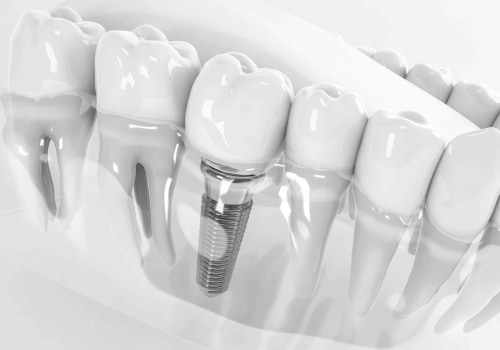
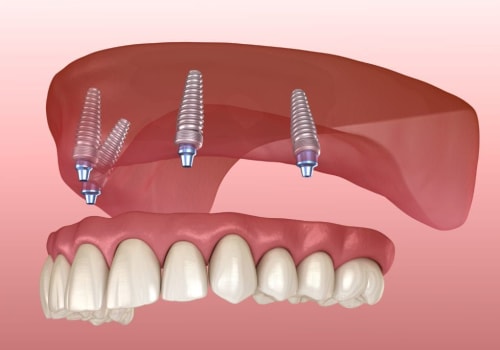
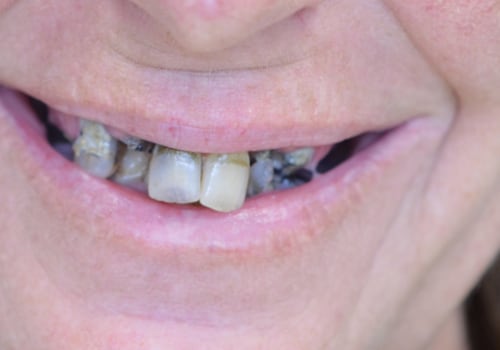
Dental implants are widely regarded as one of the most effective solutions for replacing missing teeth, offering benefits that include improved function, stability, and aesthetics. However, recommending dental implants involves much more than identifying a gap in a patient's smile. Before proceeding with implant treatment, dentists conduct a thorough evaluation of long-term oral health to determine whether implants are an appropriate and sustainable option. This assessment considers the condition of the surrounding teeth, gums, jawbone, bite function, and overall oral health habits. The goal is not simply to replace a missing tooth but to create a foundation that supports implant success for many years to come.
Assessing Gum Health and Oral Stability
Healthy gums are one of the most important factors in successful implant treatment. Dentists carefully evaluate the condition of the periodontal tissues to identify any signs of active gum disease or chronic inflammation. Because dental implants rely on healthy supporting structures, untreated periodontal disease can increase the risk of complications and affect long-term outcomes. During the assessment process, dentists may measure gum pocket depths, evaluate tissue health, and review previous periodontal history. If gum disease is present, treatment may be recommended before implant placement is considered. Establishing a stable and healthy oral environment helps create favorable conditions for long-term implant success.
Evaluating Bone Quality and Quantity
Another critical component of implant planning involves assessing the jawbone. Dental implants function by integrating directly with the bone, making sufficient bone volume and density essential for stability. Dentists often use advanced imaging techniques to evaluate the quality and quantity of available bone at the proposed implant site. Areas that have experienced prolonged tooth loss may show signs of bone resorption, which can affect treatment options. In some situations, additional procedures may be recommended to enhance the implant site before placement. Understanding the condition of the jawbone allows dentists to develop treatment plans that support both immediate stability and long-term function.
Reviewing Bite Function and Tooth Alignment
Long-term implant success depends not only on the implant itself but also on how it interacts with the rest of the mouth. Dentists evaluate bite relationships, tooth alignment, and chewing patterns to ensure that excessive forces will not compromise the implant over time. Uneven bite pressure, tooth grinding, or significant alignment issues can place additional stress on dental restorations. By analyzing these factors before treatment, dentists can identify potential concerns and recommend solutions that improve the long-term durability of the implant-supported restoration. This comprehensive approach helps protect both the implant and surrounding natural teeth.
Considering Overall Oral Health Habits
A patient's daily oral hygiene routine and commitment to ongoing dental care are also important considerations. Dental implants require regular maintenance and professional monitoring to remain healthy over the long term. Dentists often discuss brushing habits, flossing routines, previous dental history, and attendance at preventive appointments when evaluating implant candidacy. Patients who demonstrate a strong commitment to oral health are generally better positioned to maintain successful outcomes. Even practices that provide urgent services, such as an emergency dentist in Brisbane CBD, understand the importance of preventive care and long-term maintenance when discussing restorative treatment options with patients.
Planning for Long-Term Success Rather Than Short-Term Solutions
One of the defining characteristics of implant treatment planning is its focus on long-term outcomes. Dentists are not simply evaluating whether an implant can be placed today; they are considering how the implant will function years into the future. This includes assessing future oral health risks, anticipated maintenance needs, and the overall stability of the surrounding structures. By taking a comprehensive view of the patient's oral health, dentists can recommend treatment plans that prioritize durability, function, and long-term well-being.
A Comprehensive Evaluation Supports Better Outcomes
Dental implants offer significant benefits, but successful treatment depends on careful planning and thorough evaluation. Before recommending implants, dentists assess gum health, bone quality, bite function, oral hygiene habits, and long-term oral stability. This comprehensive approach helps identify factors that could influence treatment success and allows providers to develop personalized recommendations tailored to each patient. By focusing on long-term oral health rather than simply replacing a missing tooth, dentists help create conditions that support lasting implant performance, improved function, and a healthier smile for years to come.