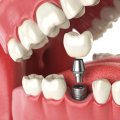
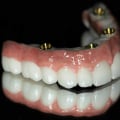
When people think about dental implants, they often focus on their ability to replace missing teeth and restore the appearance of a complete smile. While aesthetics and tooth replacement are important benefits, dental implants can also have a significant impact on chewing efficiency and overall oral function. Missing teeth affect more than appearance; they can disrupt how the upper and lower teeth come together, alter chewing patterns, and reduce the ability to process food effectively. Dental implants help address these issues by restoring stability and function in a way that closely resembles natural teeth. As a result, their benefits often extend well beyond simply filling gaps in the smile.
Restoring Bite Force and Stability
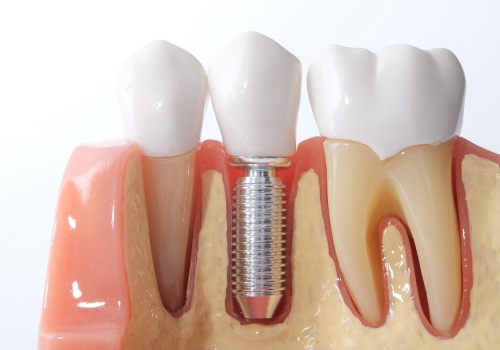
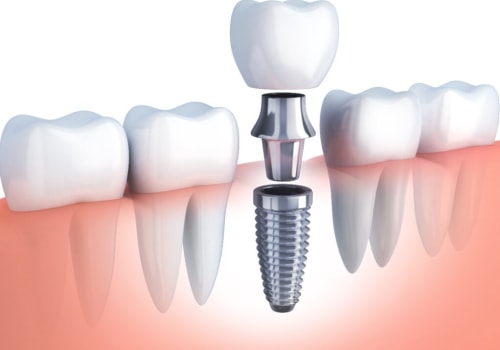
One of the most important ways dental implants influence chewing efficiency is by helping restore bite force. Natural teeth are anchored directly into the jawbone through roots, allowing them to withstand significant chewing pressure. When a tooth is lost, the ability to apply force in that area is reduced, and neighboring teeth may be forced to compensate. Traditional removable solutions can sometimes provide replacement function, but they may not always deliver the same level of stability. Dental implants are surgically integrated into the jawbone, creating a secure foundation that can support normal chewing forces. This stability allows patients to bite and chew more confidently while reducing concerns about movement during meals.
Supporting Balanced Chewing Patterns
Chewing is a coordinated process that relies on the proper alignment and function of multiple teeth working together. When teeth are missing, individuals may unconsciously shift chewing to one side of the mouth or avoid certain foods altogether. Over time, these altered habits can contribute to uneven wear, jaw discomfort, and additional stress on remaining teeth. Dental implants help restore a more balanced chewing pattern by replacing missing teeth in their intended positions. By improving the distribution of chewing forces throughout the mouth, implants support a more efficient and natural chewing process. This balance can contribute to improved comfort and better long-term oral function.
Enhancing Food Breakdown and Digestion
Chewing efficiency affects more than the mouth—it can influence the digestive process as well. Proper chewing helps break food into smaller particles, making it easier for the digestive system to process nutrients effectively. When individuals struggle to chew due to missing teeth, they may avoid certain foods or swallow larger pieces of food that are more difficult to digest. By restoring functional chewing ability, dental implants can help patients enjoy a wider variety of foods and improve the mechanical breakdown of food before swallowing. This benefit supports not only oral health but also broader nutritional and wellness goals.
Preserving Jawbone and Oral Function
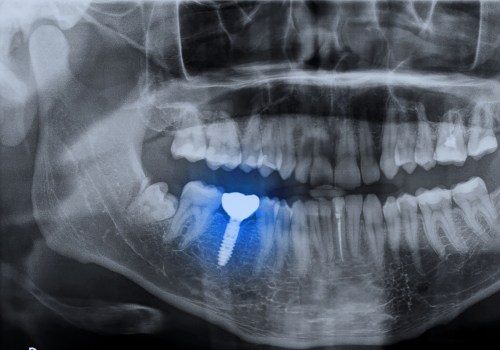
Another factor that influences chewing efficiency is the health of the jawbone. Tooth loss often leads to bone resorption, a process in which the jawbone gradually loses density due to a lack of stimulation. As bone volume decreases, changes in facial structure and oral function may occur. Dental implants help stimulate the jawbone in a manner similar to natural tooth roots, supporting bone preservation and maintaining a stable foundation for chewing. Many patients seeking dental implants in Sydney are attracted not only to the aesthetic benefits of treatment but also to the long-term functional advantages associated with preserving jawbone health and oral performance.
Long-Term Benefits for Daily Living
The ability to chew comfortably and efficiently plays a vital role in everyday life. From enjoying favorite foods to maintaining balanced nutrition, chewing function affects overall quality of life in ways that are often overlooked. Dental implants provide a durable and stable solution that helps restore this important function while supporting oral health and structural stability. By improving bite force, encouraging balanced chewing patterns, preserving jawbone health, and enhancing food processing, implants contribute to much more than tooth replacement alone. Their influence on chewing efficiency highlights the broader role they play in helping patients achieve long-term oral function, comfort, and confidence.